
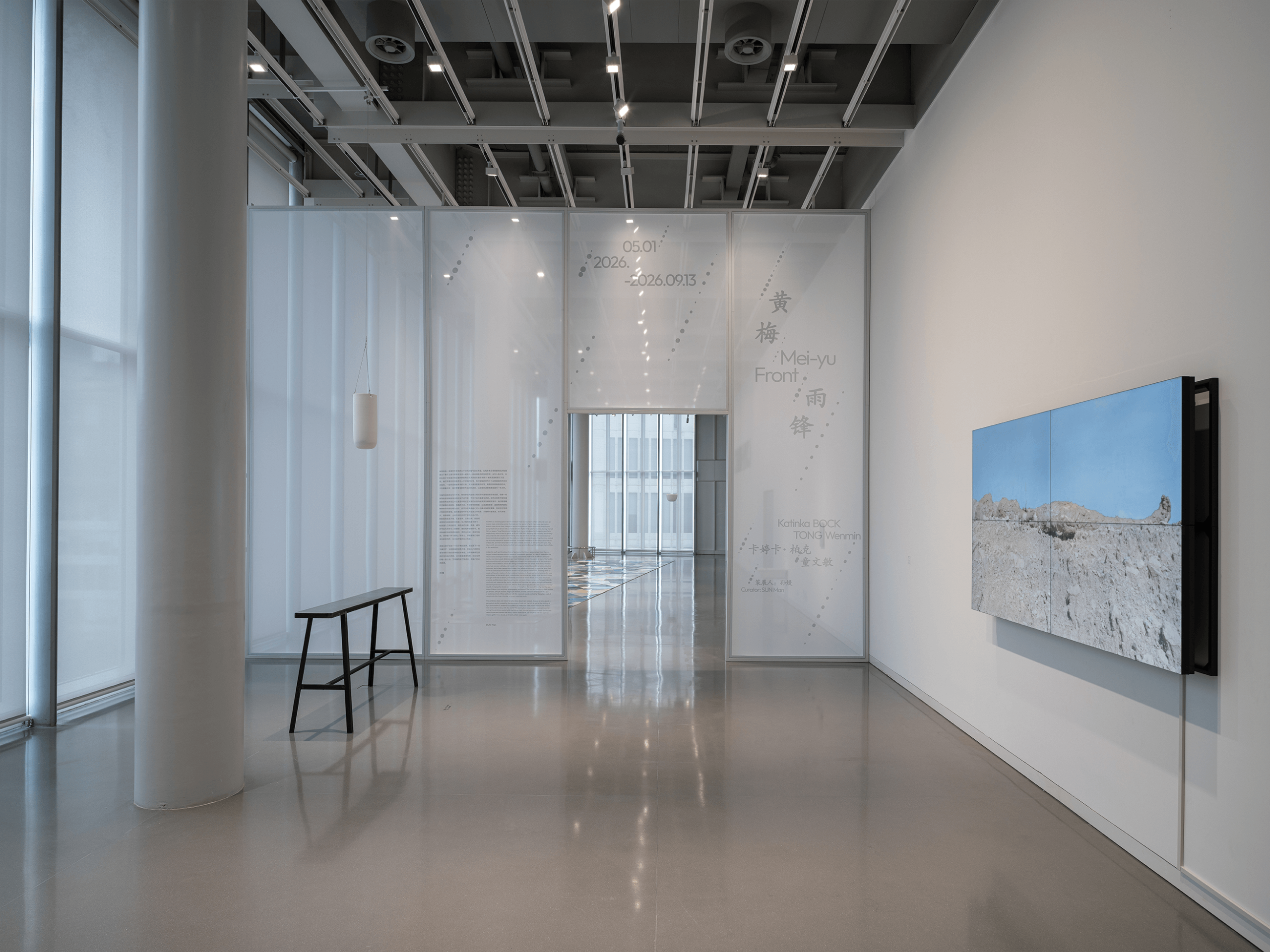
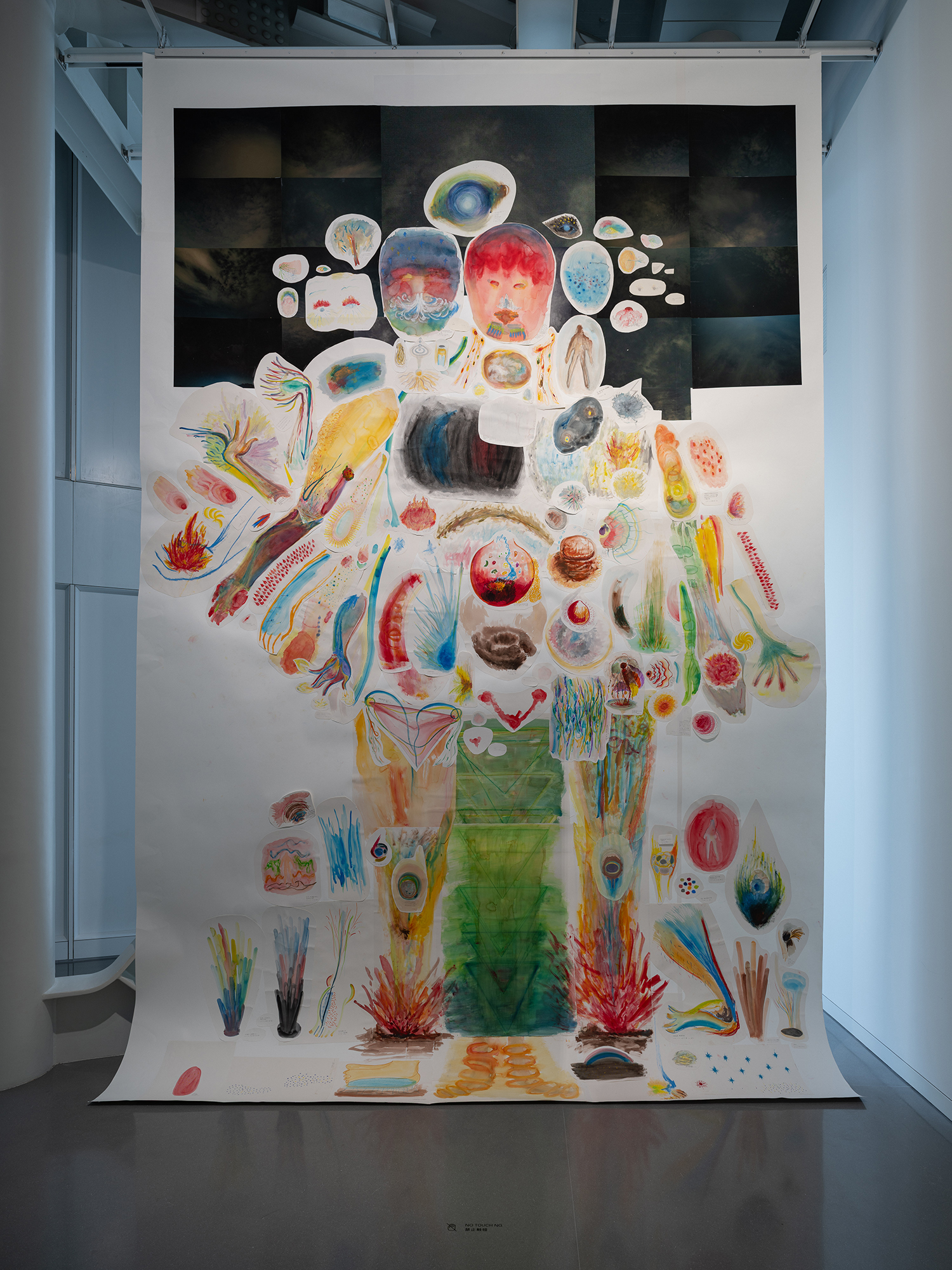
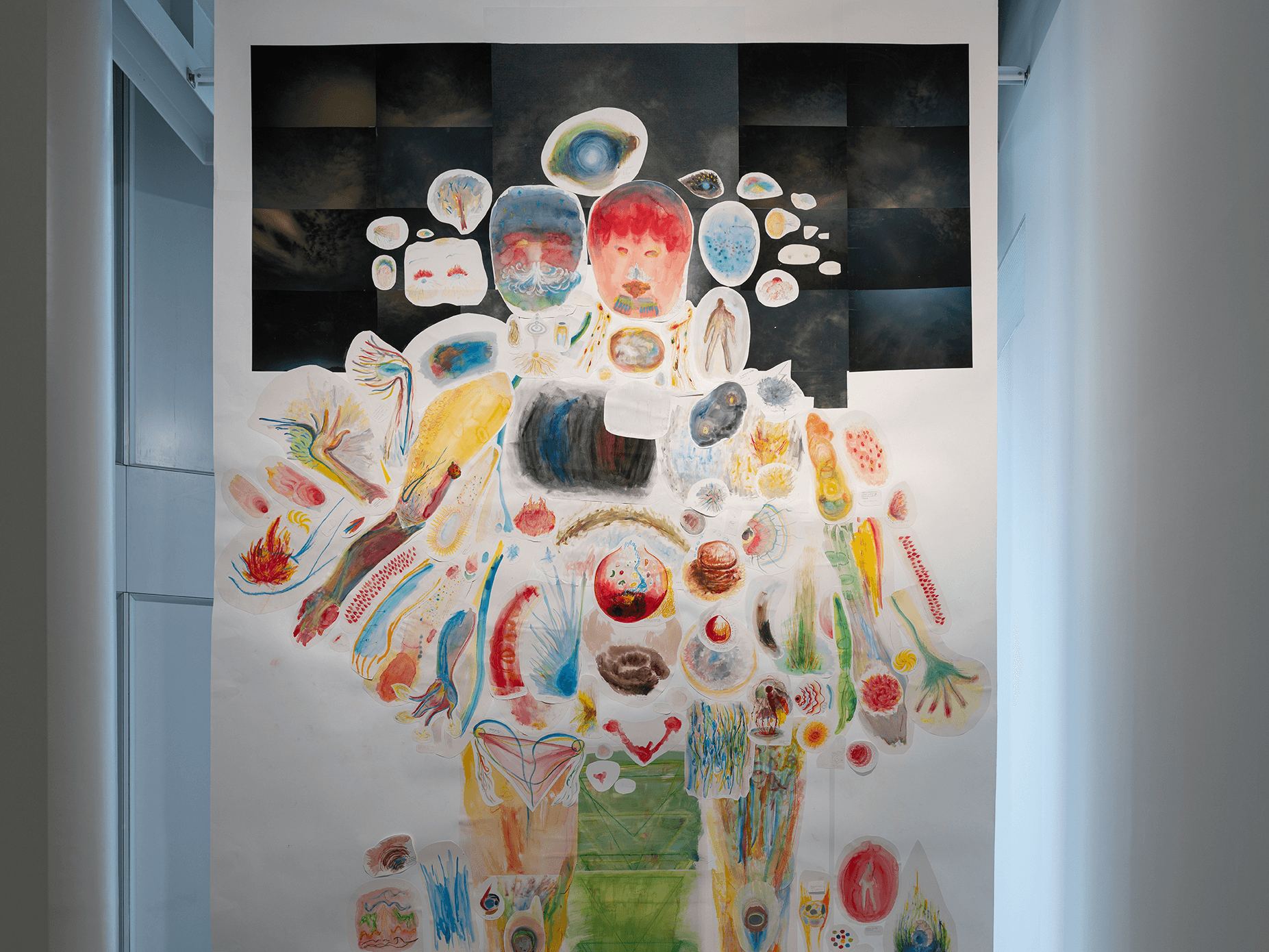
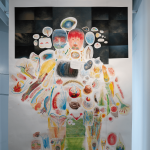
BY ART MATTERS will officially present the large-scale dialogue exhibition Mei-yu Front on 1 May 2026. Curated as a joint presentation by two female artists—Katinka Bock and Tong Wenmin—it marks the museum’s second in-depth dialogue exhibition between Chinese and international artists since its opening, and is included in Festival Croisements 2026.
The Meiyu Front is the convergence zone of cold and warm air masses stretching across East Asia and the western Pacific Ocean. Each year, the prolonged, humid and continuously shifting rhythm of the Meiyu season envelops Hangzhou and all living beings thousands of kilometres beneath the front.
During the 2025 Meiyu season, Katinka Bock and Tong Wenmin were invited to undertake an artist residency at BY ART MATTERS, where they immersed themselves in the mist-laden routines and brooding skies of Hangzhou’s rainy season, transforming these regional sensory experiences into creative material.In late spring 2026, the two artists return to the museum with a body of new work, fulfilling their year-long engagement through this dialogic exhibition.
Unlike violent typhoons, the Meiyu season is a dynamic equilibrium formed by the sustained confrontation of two equally matched air masses—much like the creative dialogue between the two artists during their residency. Both artists work with modest materials, restrained techniques and an intuitive sensibility. Distinct in temperament yet equally accomplished, the works of Katinka Bock and Tong Wenmin move beyond the constraints of period and conceptual dogma, carrying a poetic intelligence capable of articulating the ineffable.
Katinka Bock has a particular affinity for modest, natural materials. She excels in engaging with the textures of the everyday, constructing—across diverse media—a field that is at once familiar and transcendent, soft yet austere, fragile yet stable.
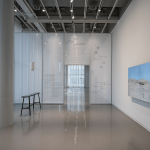
Her work Sea Star Balance (2026) is a ceramic pulley installation in which two distinct ceramic water vessels are suspended across the exhibition space by a minimal system. Held in mutual tension, they achieve a precise yet delicate equilibrium. As the vessels differ in the size of their openings, the water within evaporates at varying rates, gradually disrupting the initial balance. What was once still begins to shift—rising and falling like the hands of a clock—marking subtle correspondences between external weather conditions and the interior humidity of the museum, and articulating a dynamic relationship between balance and dissipation.
In Parasite Fountain (2026), Katinka Bock extends a galvanised pipe through the walls and corners of the exhibition space, like a parasitic presence, channelling the building’s hidden circulatory metabolism into the gallery. In the viscous air of the Meiyu season, the work maintains an almost ritualistic synchronisation beyond the viewer’s sight: when it rains outside, water appears to seep indoors and begin to drip, arriving before the rain itself is perceptible to the audience. Slightly inclined, the pipe follows the pull of gravity, and the intermittent sound of dripping water not only indexes the concealed rhythms of the building, but also opens a fissure within the sealed environment—linking the constancy of climate control with the seasonal cadence of the Meiyu season.
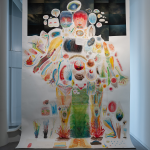
Another work, 100 of 365 Moments (2026), is a large-scale landscape composed of glazed ceramic panels. It originates from the artist’s sampling of one hundred instances of the Hangzhou sky over the course of a year. Bock condenses this shifting, ephemeral sky into ceramic fragments that invite close viewing. This cross-time-zone collaboration between the artist and the museum was realised through correspondence, while the unpredictability of kiln transformations lends the work an open, expansive material sensibility.Across her practice, Bock constructs a field held in a state of “near stillness”—a tension that resonates with subtle vibrations from the gallery walls, forming a vast, breathing interior cavity.
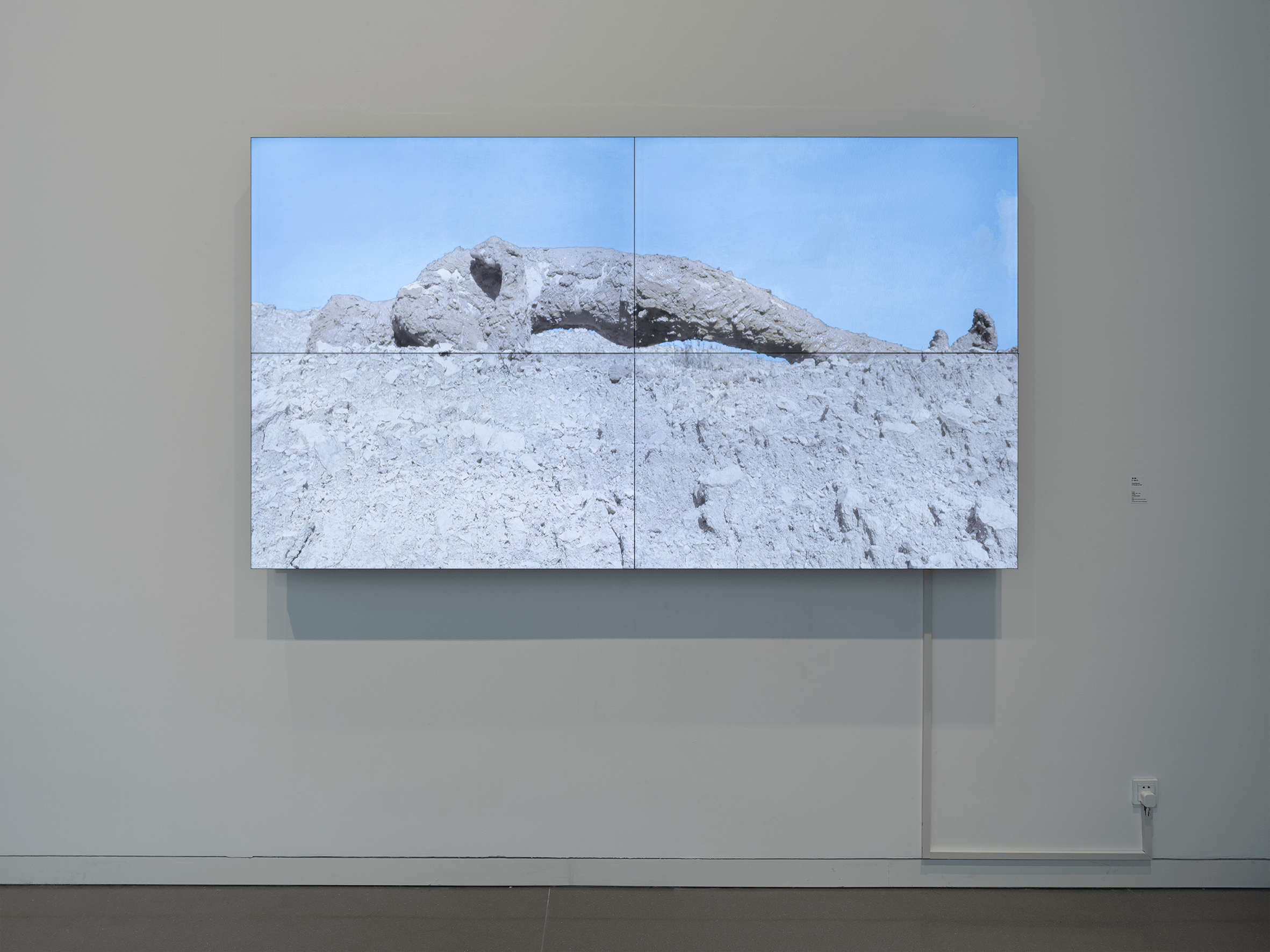
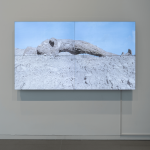
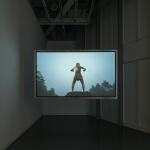
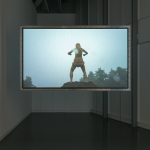
Tong Wenmin works with the body as her primary medium, sensing the flow of all things and the transformations of time and space through physical movement and the skin.In A Handful of Soil (2025), body and earth converge: she slowly lifts soil with both hands, her body arching upward from the ground until exhaustion, before gradually returning to its original state as the soil slips through her fingers. The undulation of the body evokes the formation and erosion of mountains over millions of years through tectonic collision and compression, where the individual sensorium becomes entangled with the neural pathways of the earth.
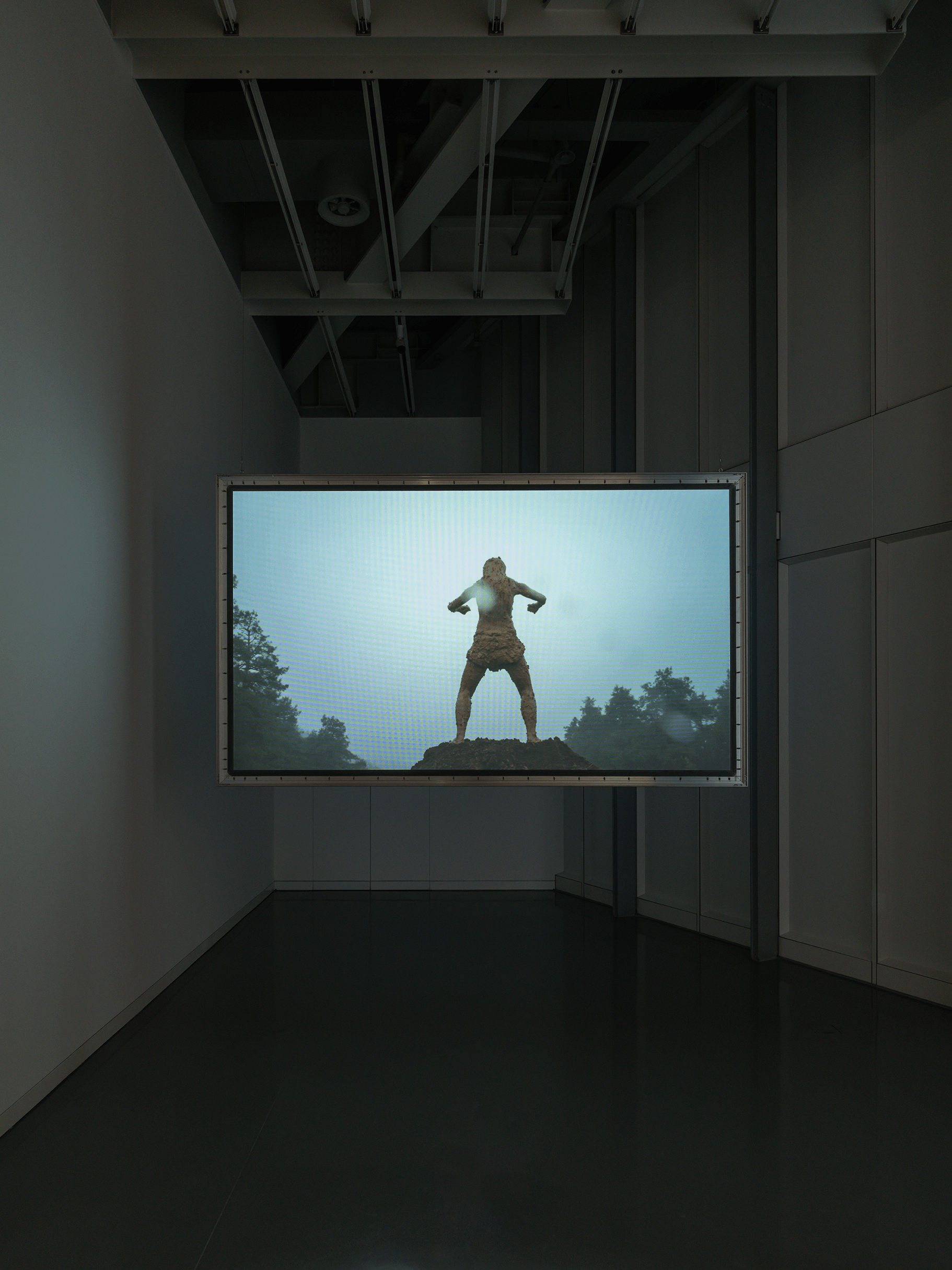
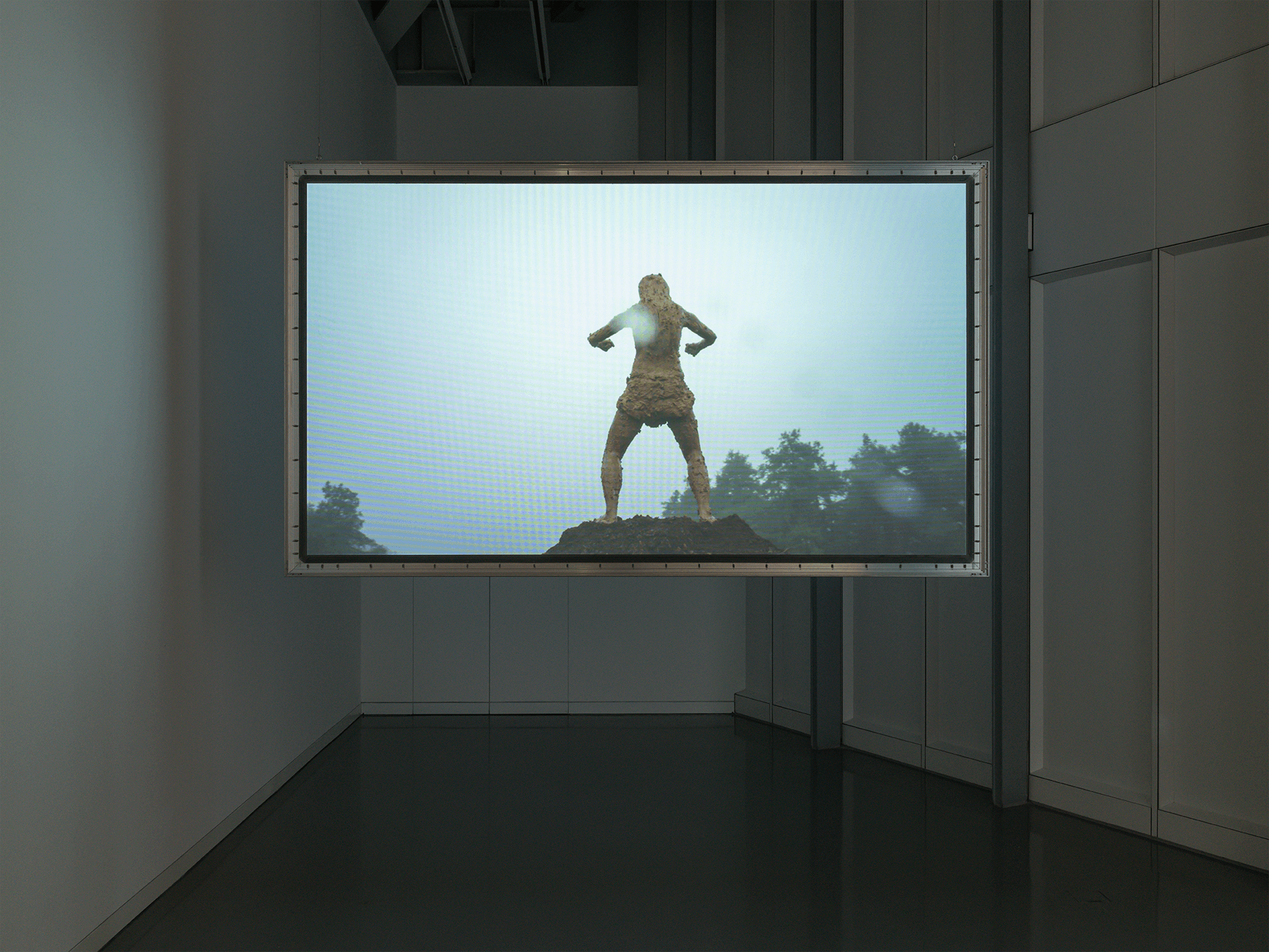
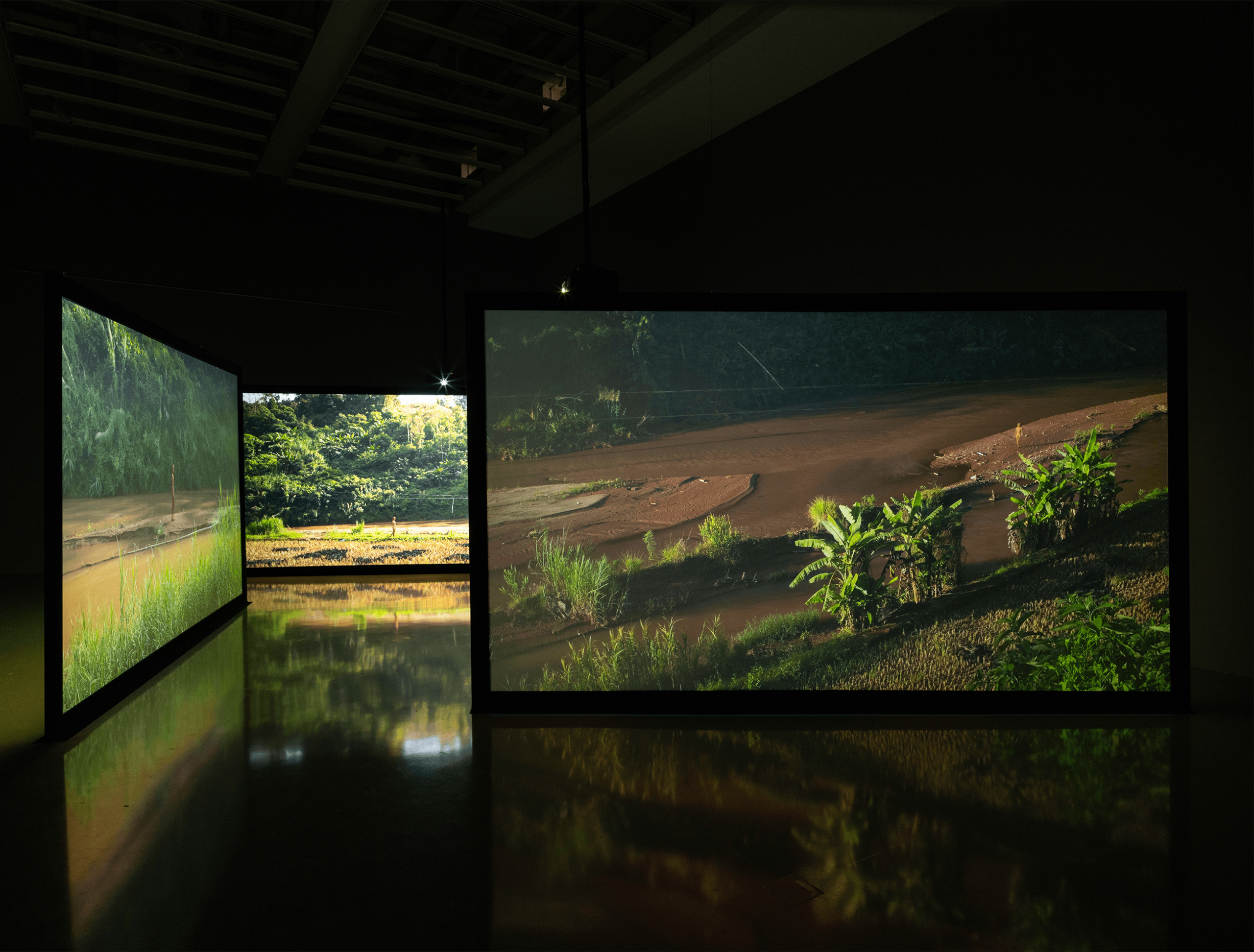
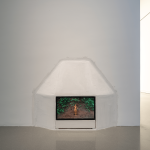
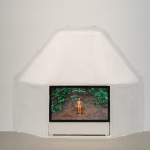
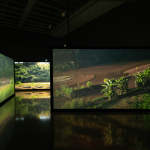
When You Were Coming (2025) is a three-channel video work in which the artist invites three villagers from Yunnan to perform a fire dance. Flames and mist interweave in dim light, pointing towards a primordial state of becoming. On rock surfaces, monumental human shadows emerge in varying postures, suggesting gestures of intimidation, embrace and extension.
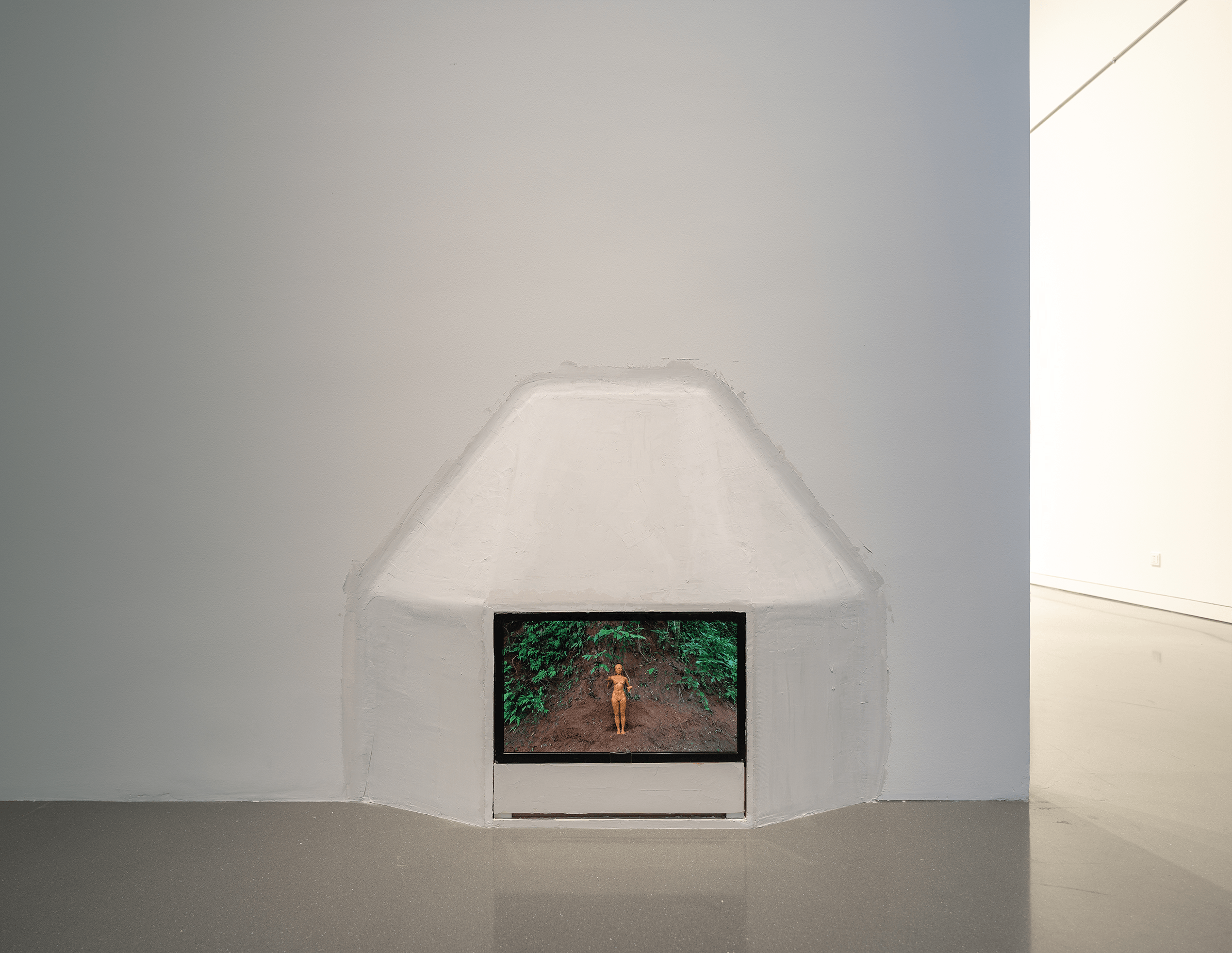
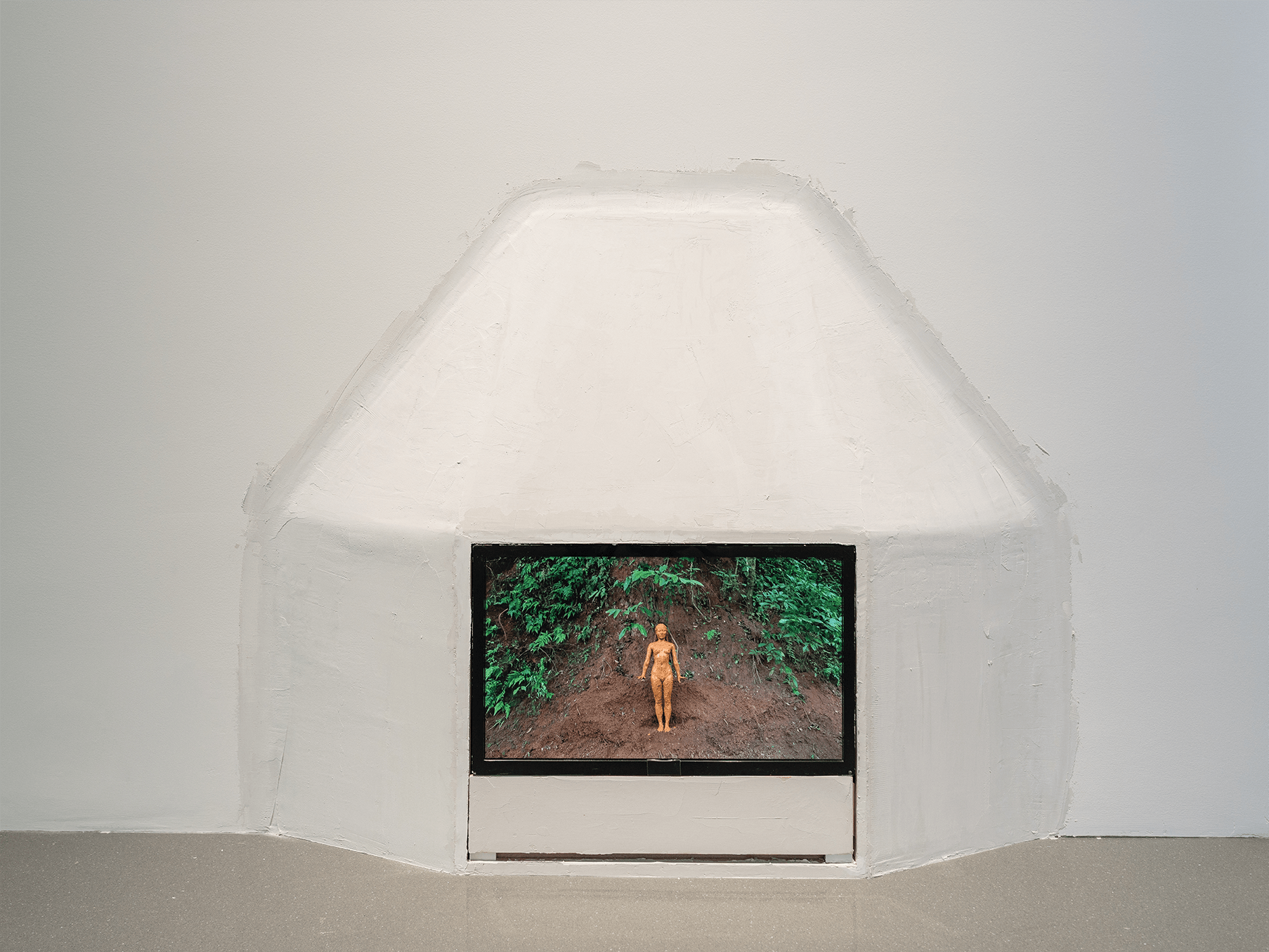
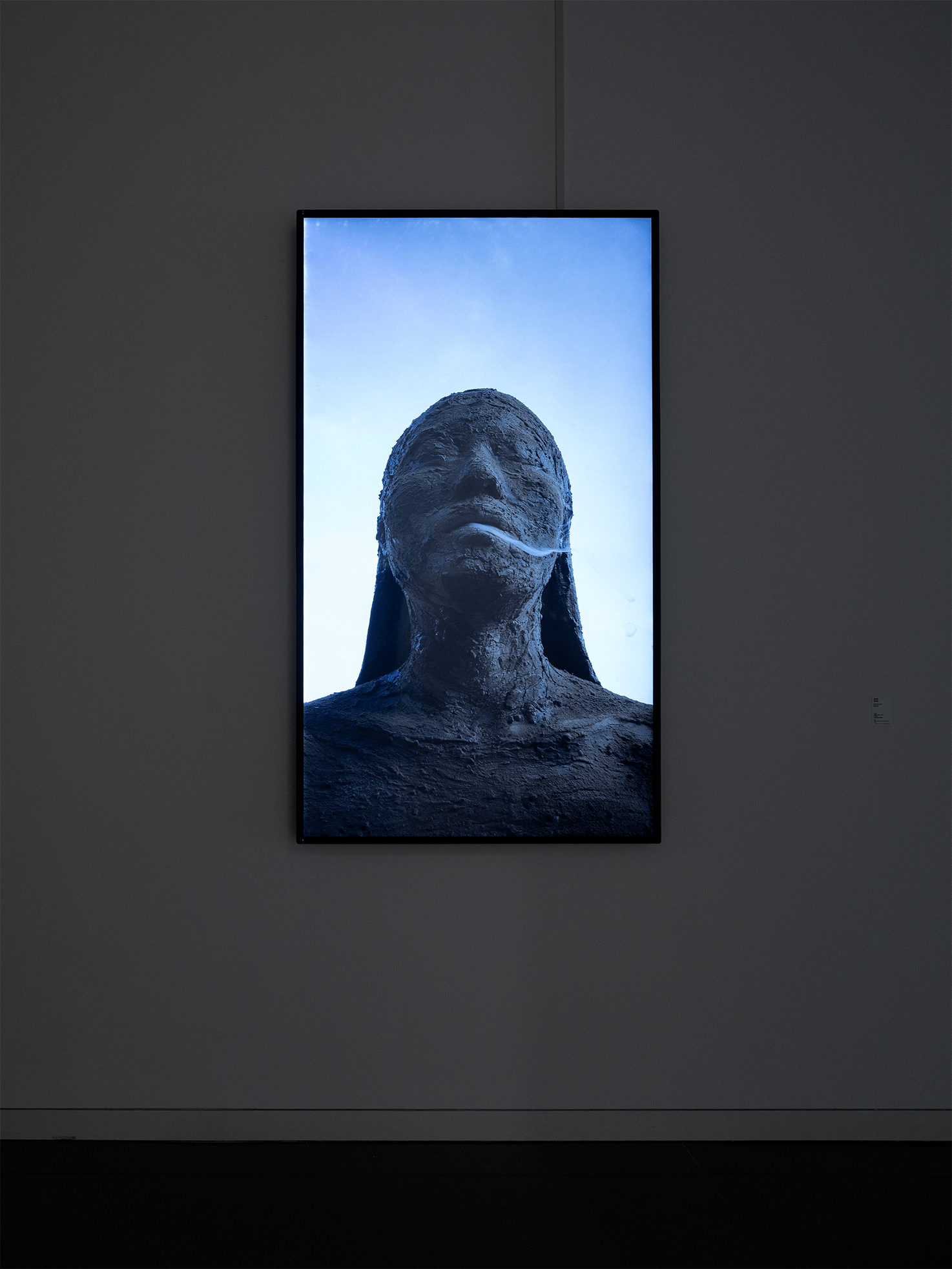
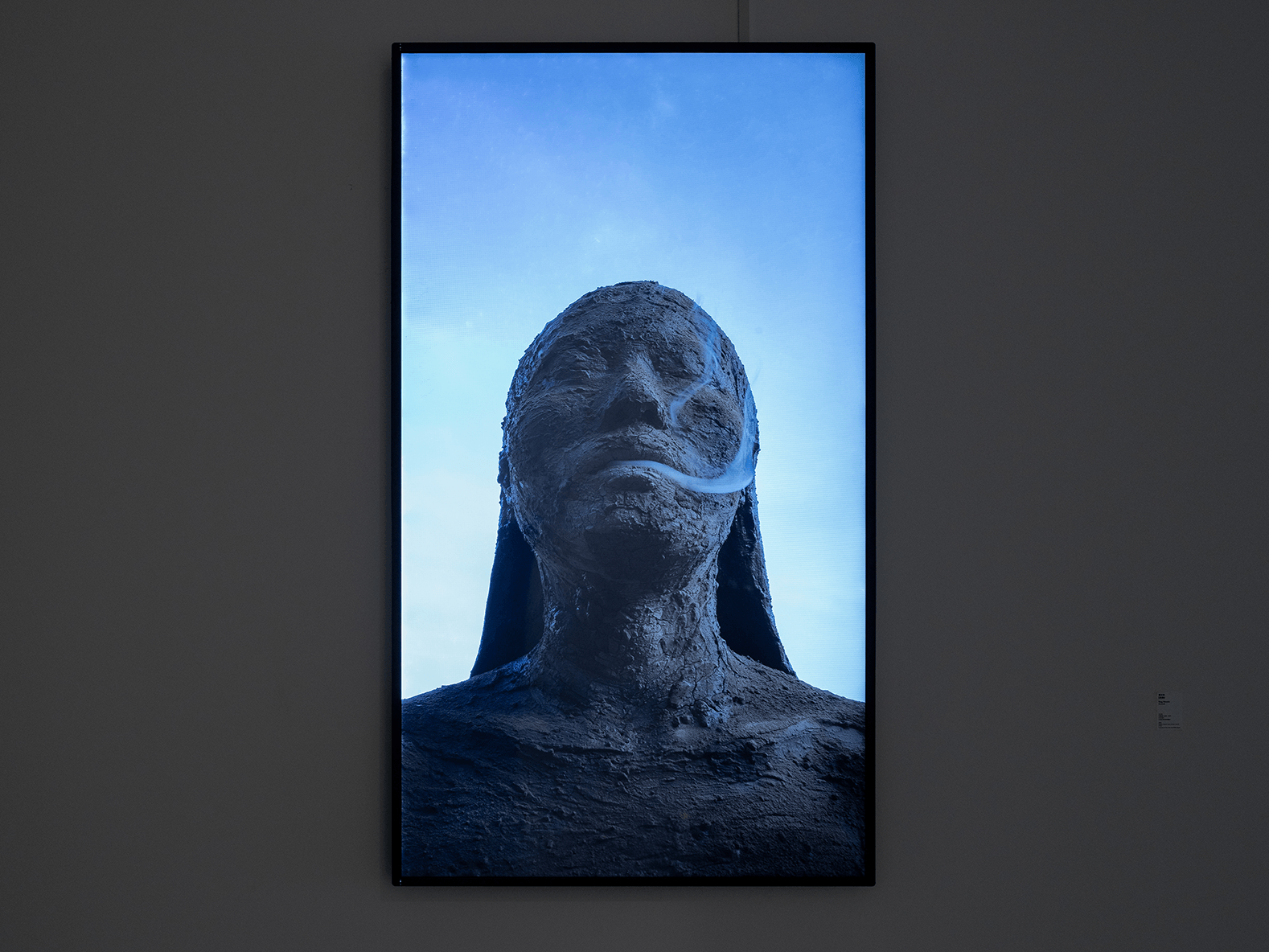
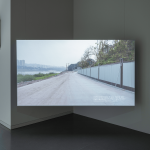
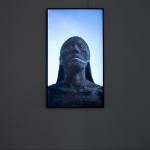
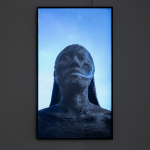
Another three-channel video work with sound, Originating From a Clump of Gas and Dust (2025), documents the artist’s journey from Yunnan to Inner Mongolia. Covered in soil, she responds with the “breath” of her body to the movements of wind and atmosphere, travelling from the lush rainforest through rivers and the Gobi, and ultimately reaching remote desert landscapes. The imagery retraces the evolution of natural life, evoking the primordial imagination of the solar system’s origin in gas and dust—like a return to the genesis of life itself.
One artist turns inward, the other outward; one remains still, the other in motion. Together, Katinka Bock and Tong Wenmin form a resonant circuit of continuous dialogue within the exhibition space, fully articulating the dynamic equilibrium and poetic core of Meiyu Front. As the Hangzhou Meiyu season coincides with the exhibition period, visitors entering the gallery find themselves immersed in a perceptual rain of interwoven warmth and coolness. Through the resonance between art and nature, the exhibition reawakens bodily sensibilities often overlooked in daily life, restoring an instinctive connection to the world and evoking a gentle resonance that transcends culture and time.