
FACE TO FACE: Where Traces of Existence Meet Reality
N3 Contemporary Art
10.29, 2026 – 1.22, 2027
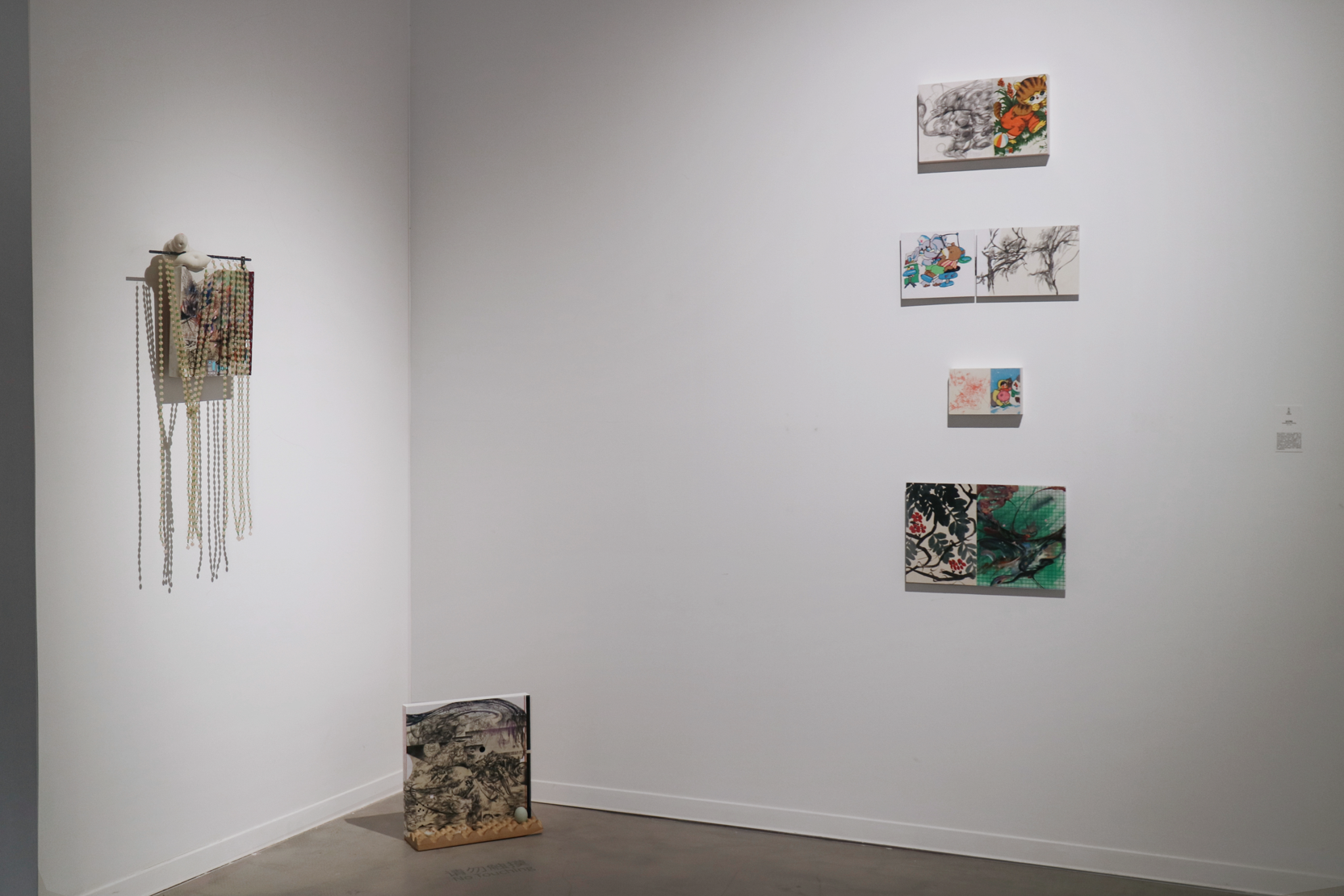
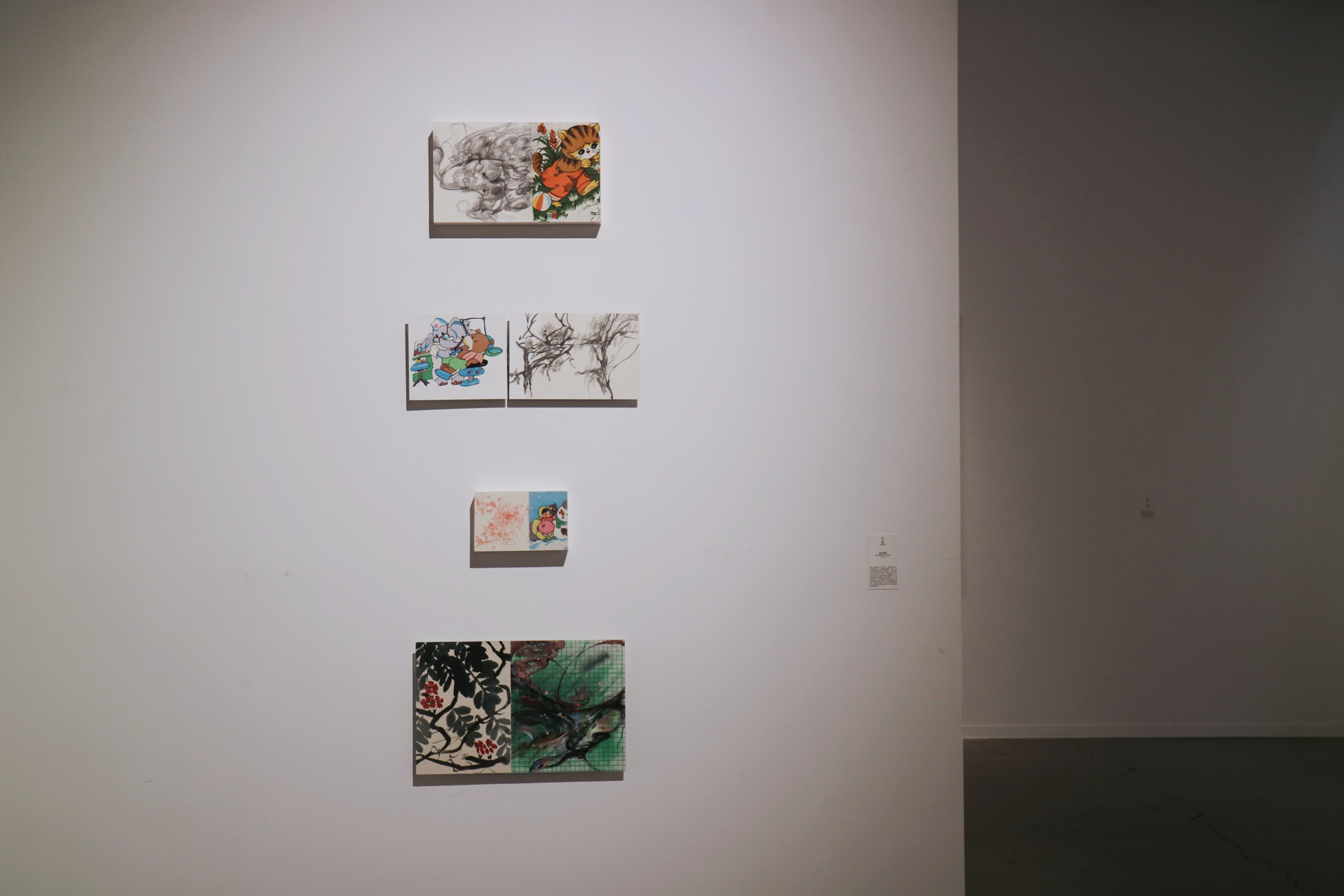
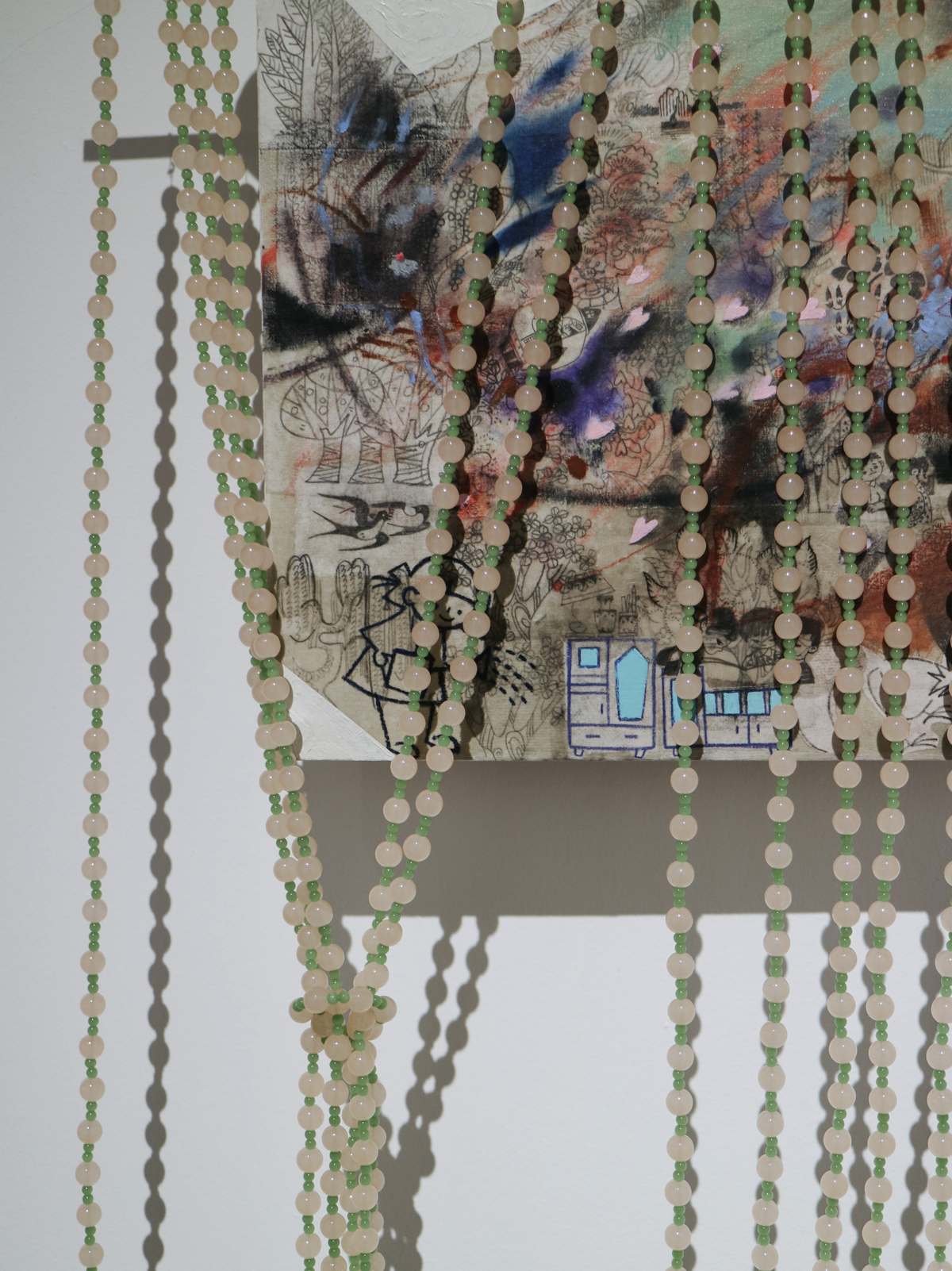
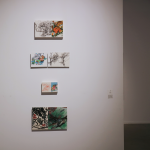
We come from reality—not from political agendas, nor from social intervention, but from the conditions of existence itself: what we see, what we touch, what we feel, and what we confront.
At this very moment, human existence and consciousness are being increasingly shaped by information. Information presses ever closer, yet reality drifts further away. Beneath the overwhelming flood of information, labels, identities, and perspectives, we are gradually losing our connection to the world we inhabit. Reality, however, is what stands before us, what unfolds in the present, and what we cannot withdraw from.
Traces of existence are the imprints of life, the wounds left by scars. To exist is not merely to pass through time; existence is an act of inscription. We regard these traces as reality—as testimony to life’s enduring presence within itself.
Face to face is not an action, but an attitude. Having long immersed ourselves in systems of reference, translation, and interpretation, we have lost the ability to encounter things directly. We have grown accustomed to believing in concepts before questioning our perceptions. Yet concepts are always more elusive than traces, more unstable than the marks that existence leaves behind. Whether acknowledged or overlooked, these traces remain, bearing the full weight of their presence.
Art is not a mirror of reality, nor a collection of its representations. Rather, art is an effort to draw the traces of existence out of the familiar backdrop of everyday life. These traces are neither reproduced nor displaced; they are brought into view. And in the act of seeing, the possibility of genuine encounter begins.
In an age increasingly governed by the digital, information has become excessive, while the preservation of physical traces has grown ever more difficult. Reality is virtualized, aestheticized, and synchronized in real time. It is precisely against this condition that Face to Face offers its most direct resistance to the homogenization of life.
Confronted with the immense structures of reality, the individual appears insignificant. To stand face to face is to place oneself in relation to traces and marks. Only when reality and the body are both present can a relationship emerge—one that is neither defined in advance nor reduced to mere perception.
Those truths that have been concealed, those imprints of existence that have never been encoded, those contradictions and things that trouble us precisely because they refuse to become questions—when they stand before us, face to face, they constitute the reality that the traces of existence have reached.