
A Million Silver Bamboo: The Rain We Share
Ewha Womans University Campus
5.11 – 5.16, 2026
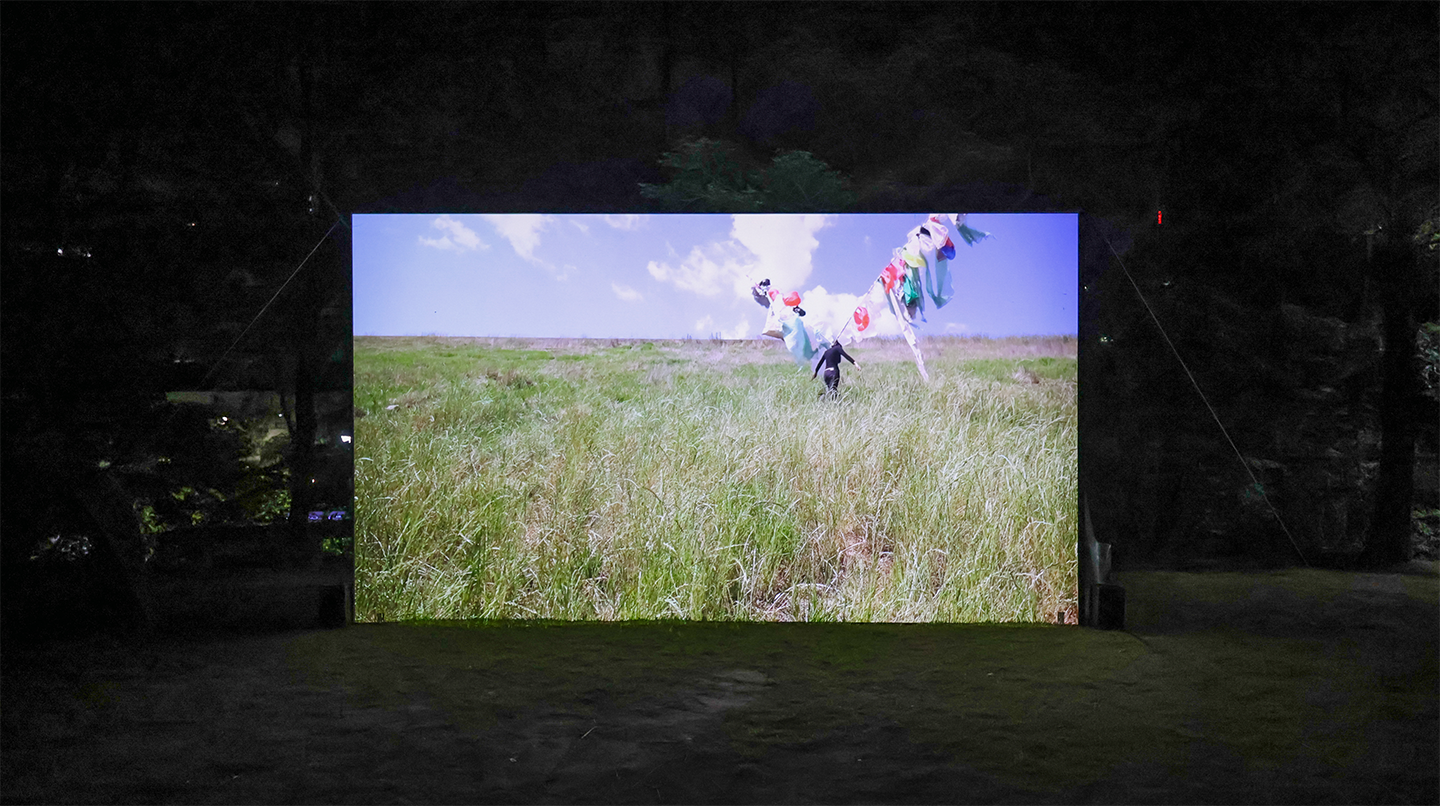
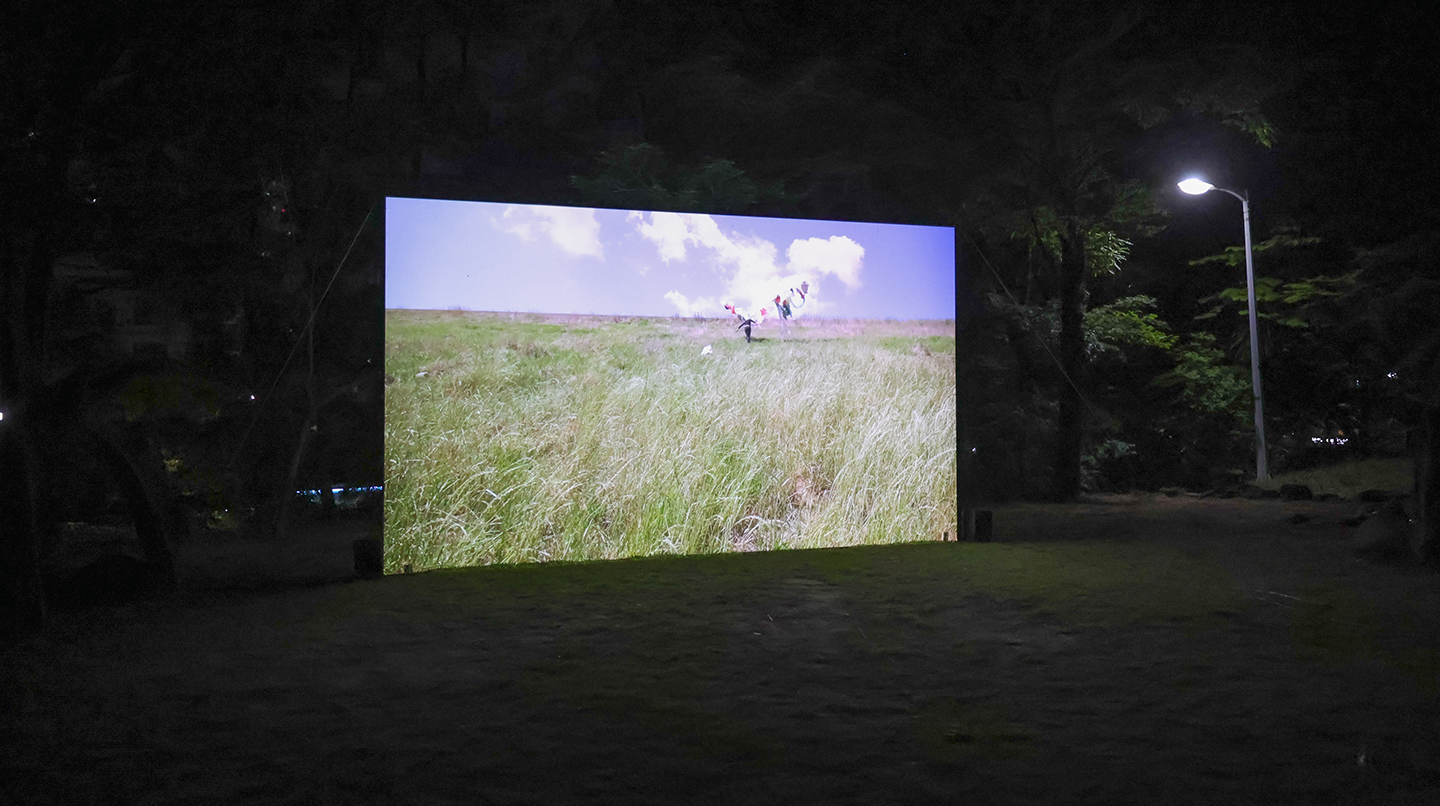
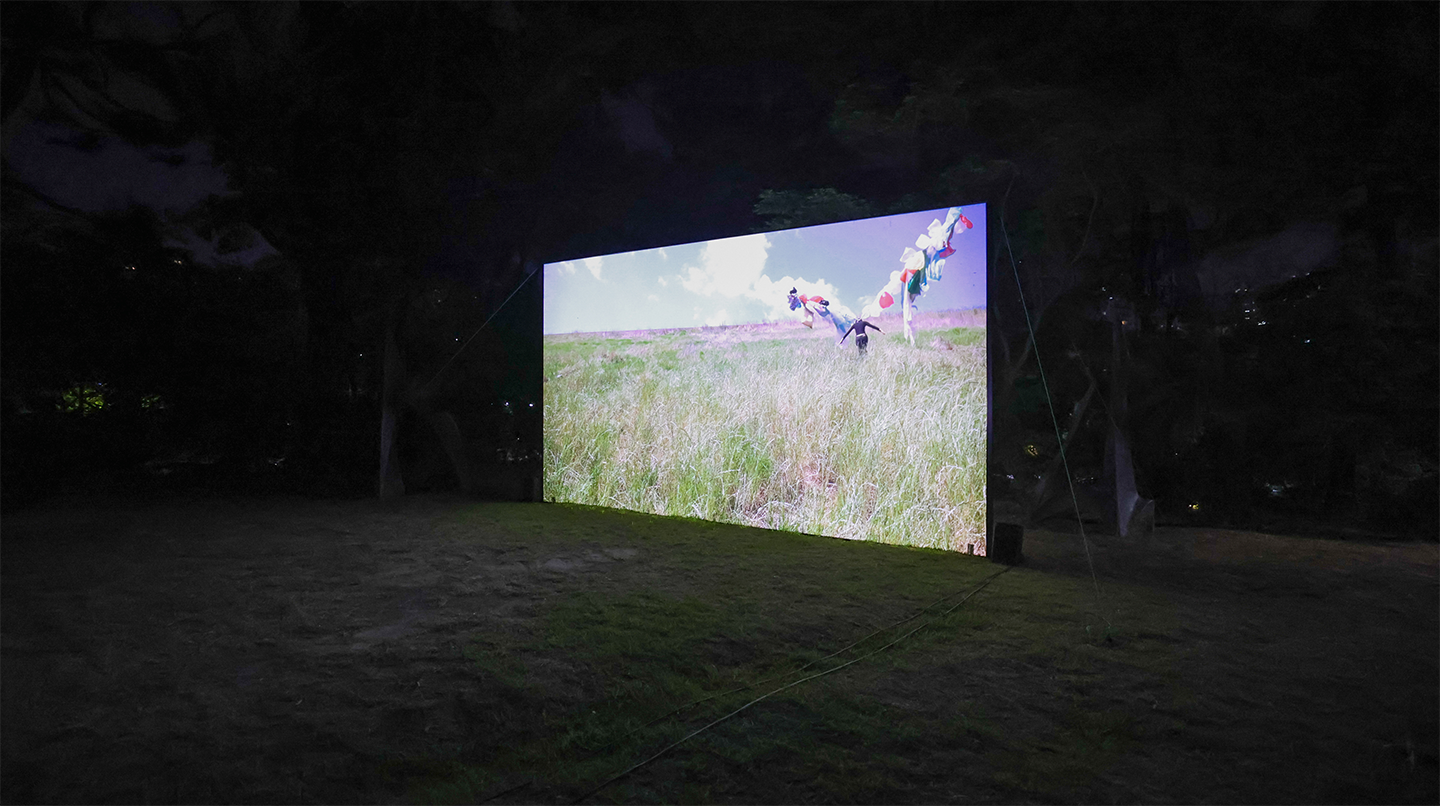
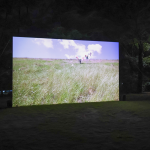
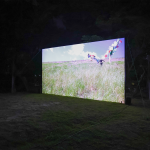
A Million Silver Bamboo: The Rain We Share
A Million Silver Bamboo: The Rain We Share takes the water cycle as its curatorial through-line. Following water from sea to sky and back again, EMAP 2026 traces how human-caused climate change circulates through interconnected environments—atmosphere, land, infrastructure, bodies, and oceans.
The Korean title, “Cheonman Eunjuk (a million silver bamboo),” begins with rain as a way of thinking at planetary scale. From the Joseon period through the Enlightenment, landscape poetry often used “Eunjuk (silver bamboo)” as a metaphor for a heavy downpour: dense vertical lines of rain falling as if the sky were cascading a forest of bamboo stalks, making its lyricism, density, and duration sensorially vivid, as though one were standing inside the scene. Today, however, rain is no longer only scenery, it is understood as a force that recognizes what can be built, harvested, inhabited, and remembered. In this sense, climate is as much social and historical as it is meteorological. History and climate circulate through each other, forming a condition human societies have shaped and been shaped by in return. The title’s numerals, “cheon (thousand)” and “man (ten thousand),” do not designate a precise count so much as an older expression for “a great many,” pointing to the unstable sensorial environment of climate crisis in which irregular deluges have become ordinary.
To attend to climate, then, is also to reckon with history—which is why this edition brings together moving-image works by forty artists and collectives from Korea and around the world, gathering di#erent generations of practice into dialogue from 1962 to the present. Organized as a sequence of five interlinked scenes, each aligned to a phase or threshold within the water cycle, the edition moves from rain as sensation to runoff and territory, from infrastructures of control to breath and exposure, and back to the sea as archive and frontier.
Presented as a walkable, night-time outdoor screening across Ewha Womans University, EMAP invites audiences to encounter moving images in permeable public space rather than sealed black boxes, where wind, sound, and weather remain part of the viewing condition. In 2026, marking Ewha’s 140th anniversary, the campus becomes both a route and auditorium, a place where education, public life, and ecological futures meet in real time.
This edition honors the legacy of Nam June Paik, who served as a distinguished professor at Ewha, and for whom 2026 marks the 20th anniversary of his passing. In Paik’s spirit, EMAP understands the moving image as a transformative form of public gathering. The result is a campus-scale encounter, an invitation to sense the climate emergency through contemporary art and to consider how the systems that sustain planetary life also sustain human life.