
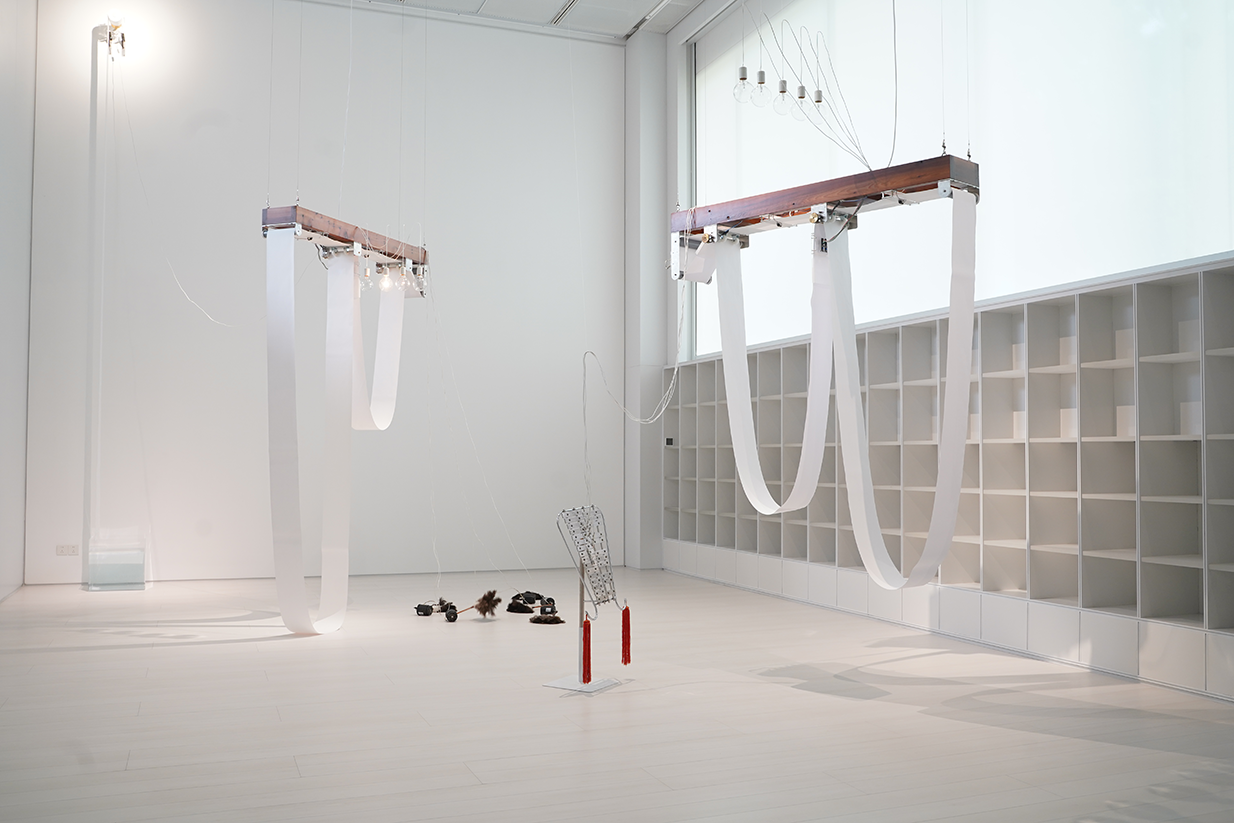
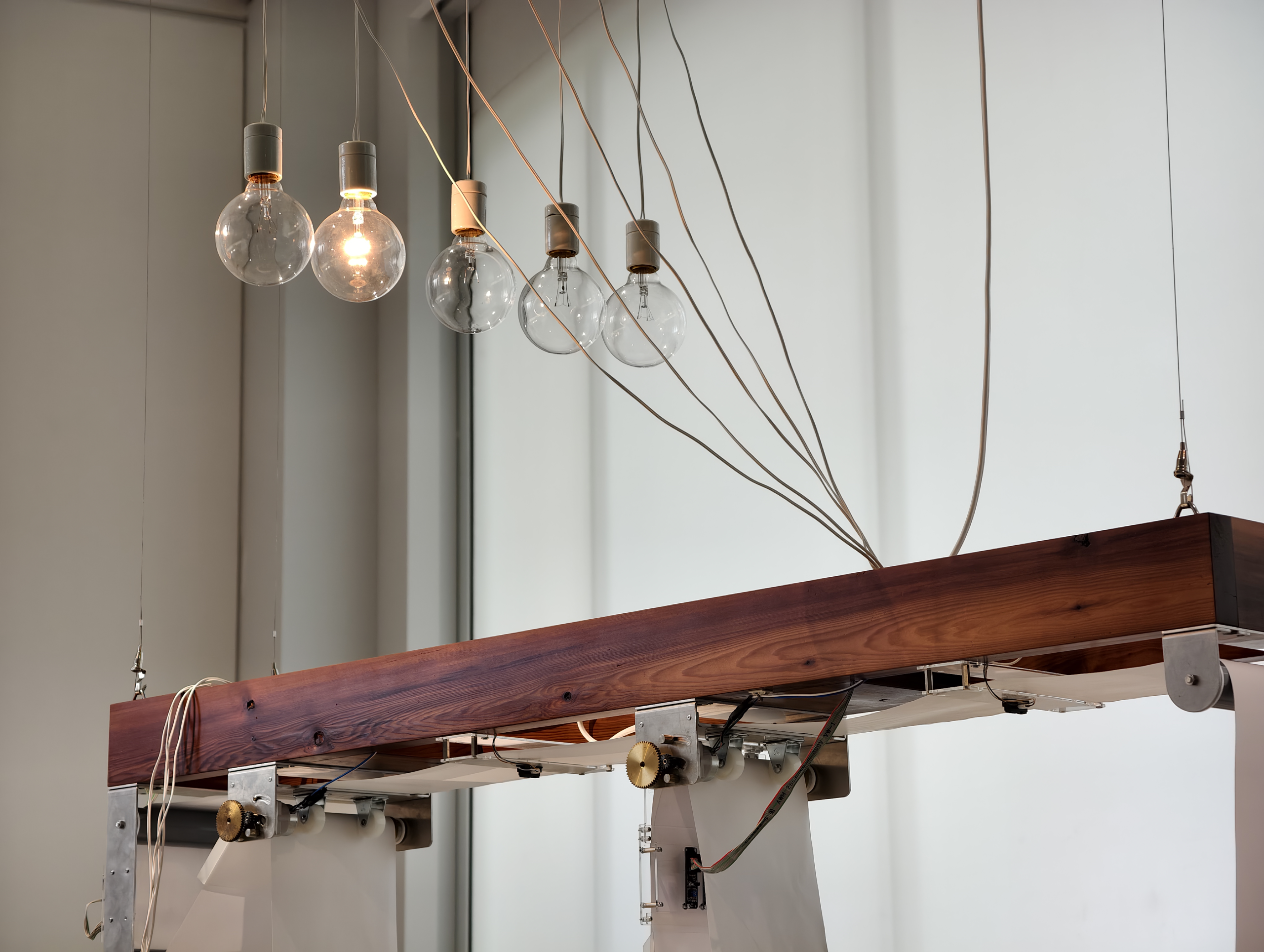
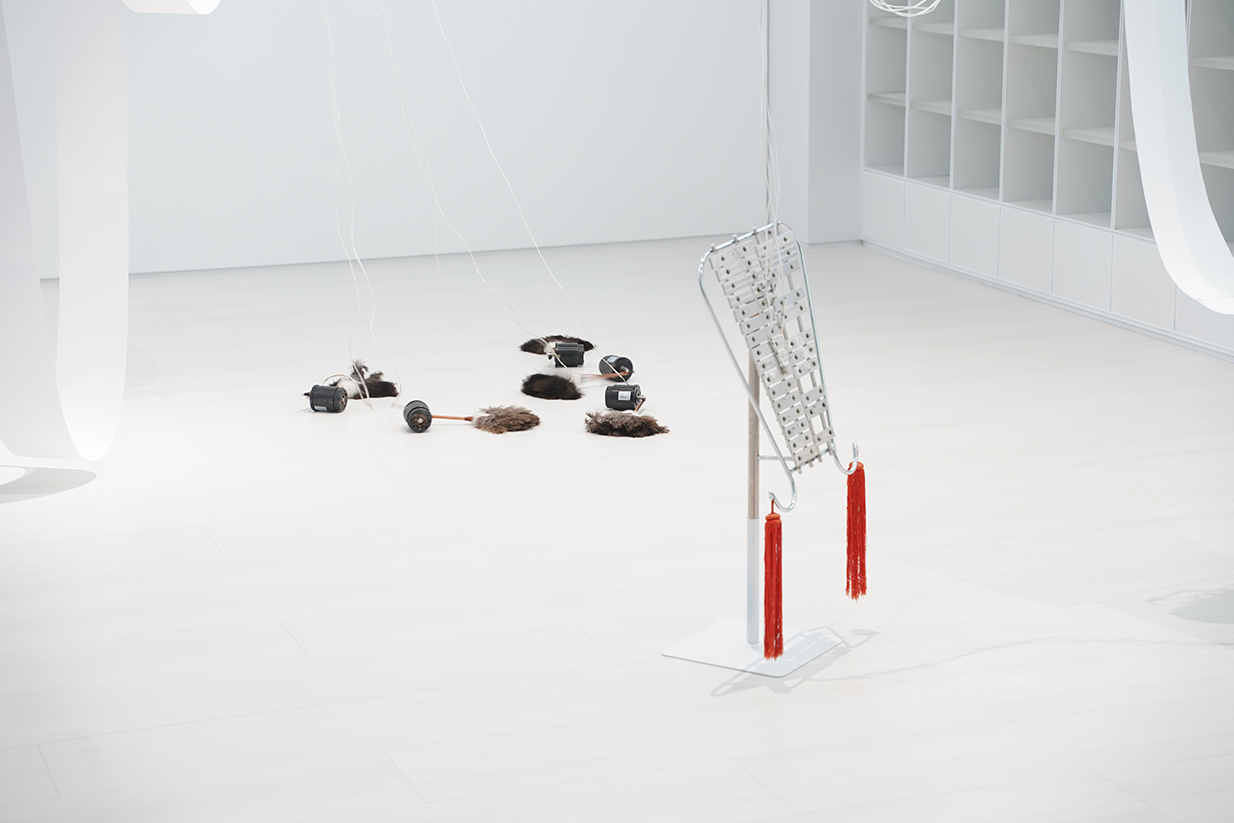
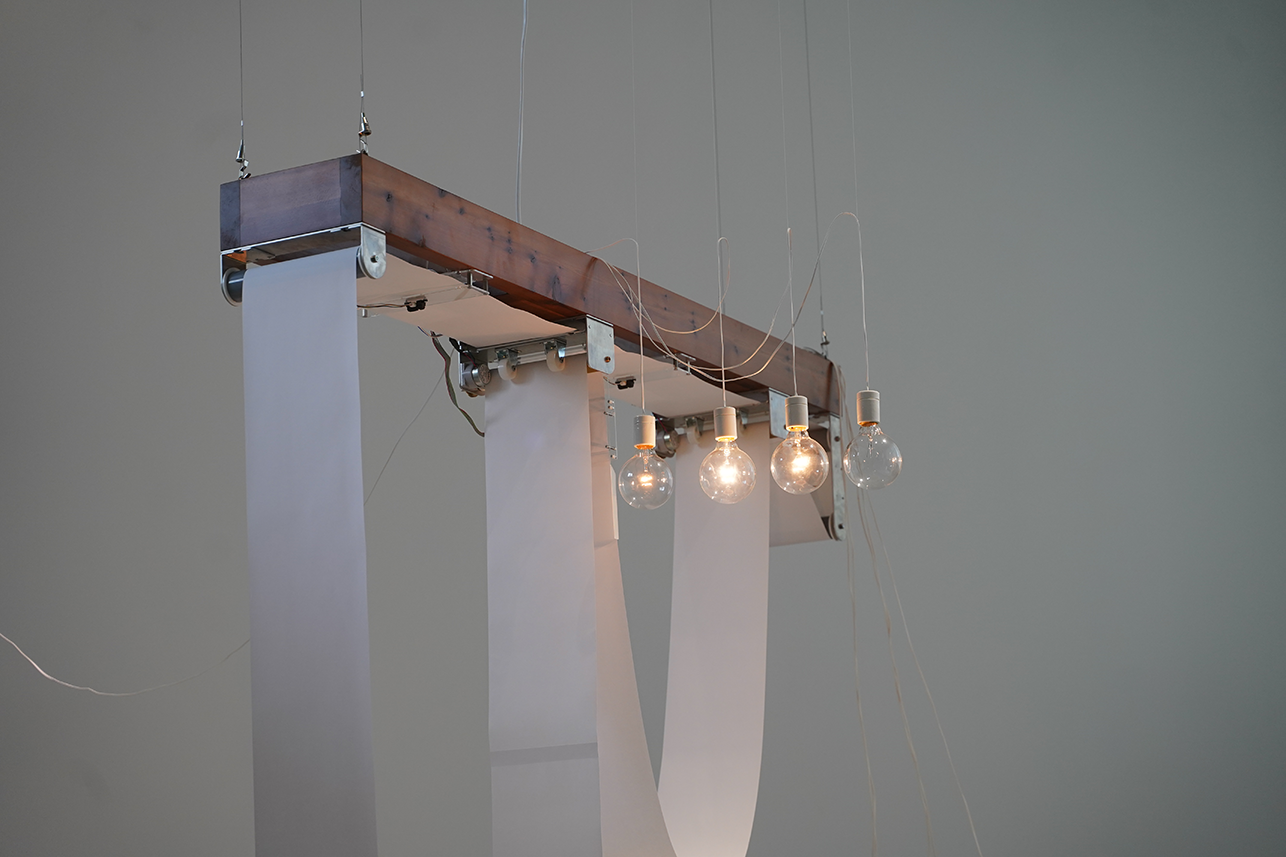
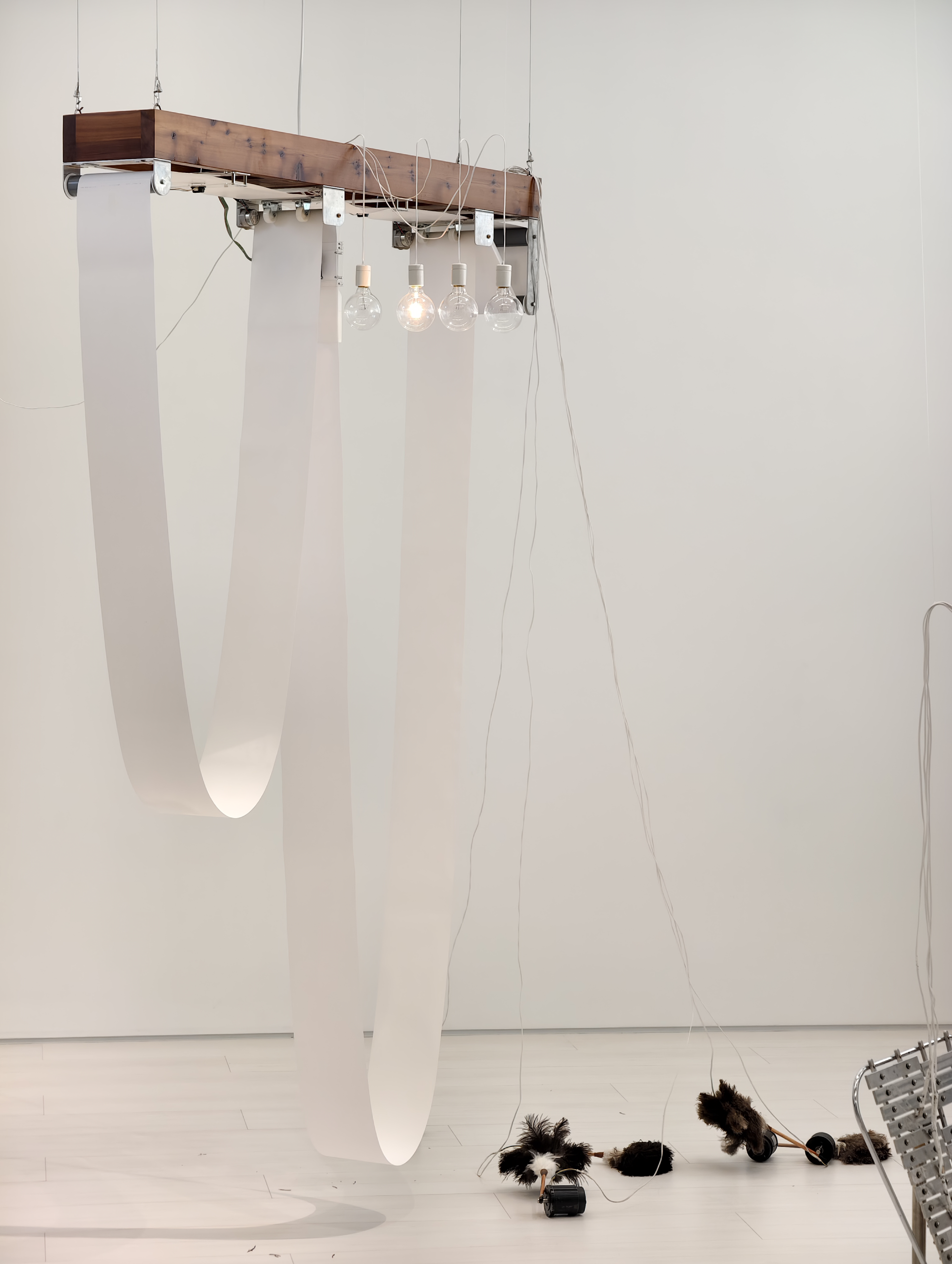
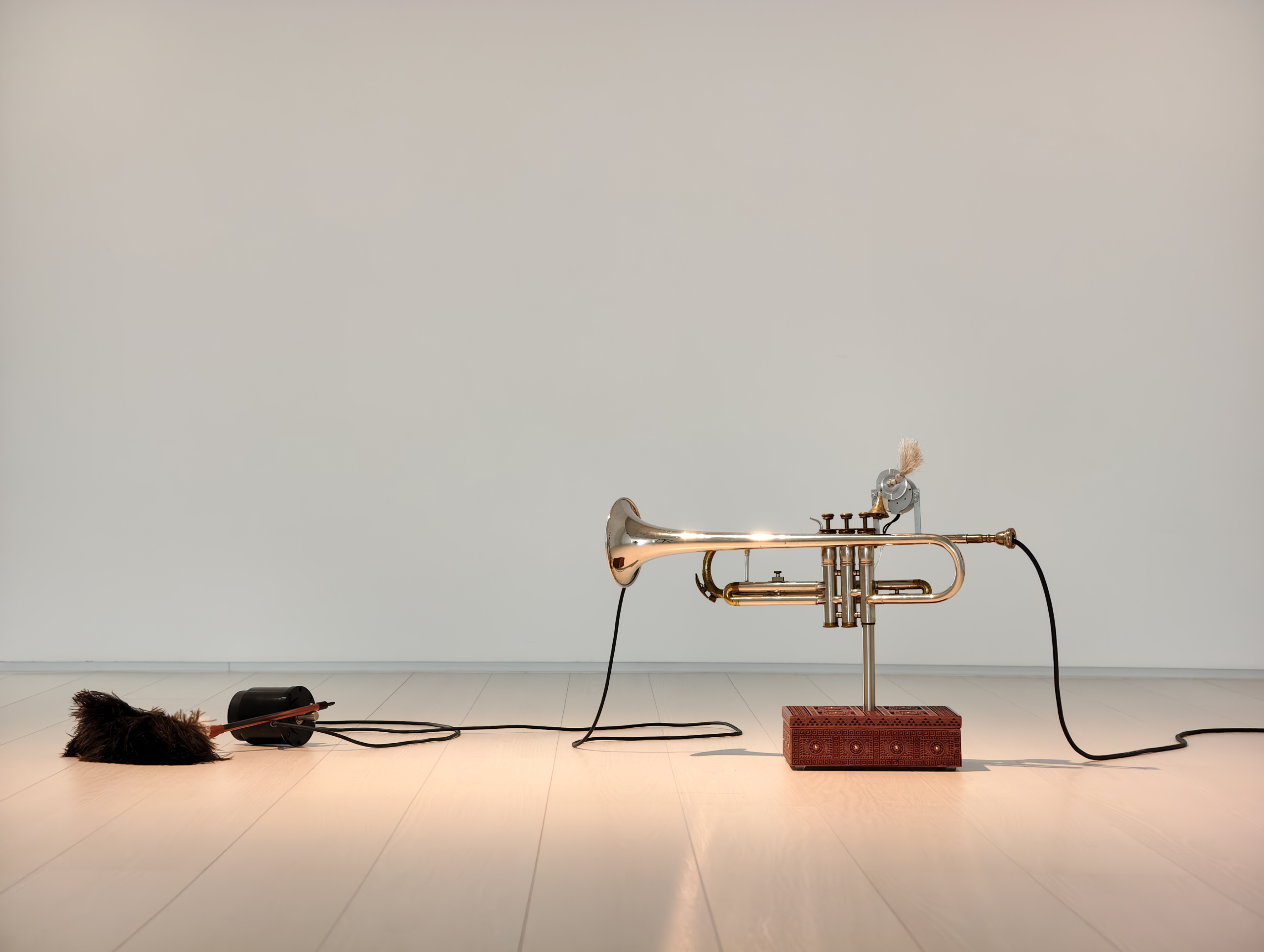
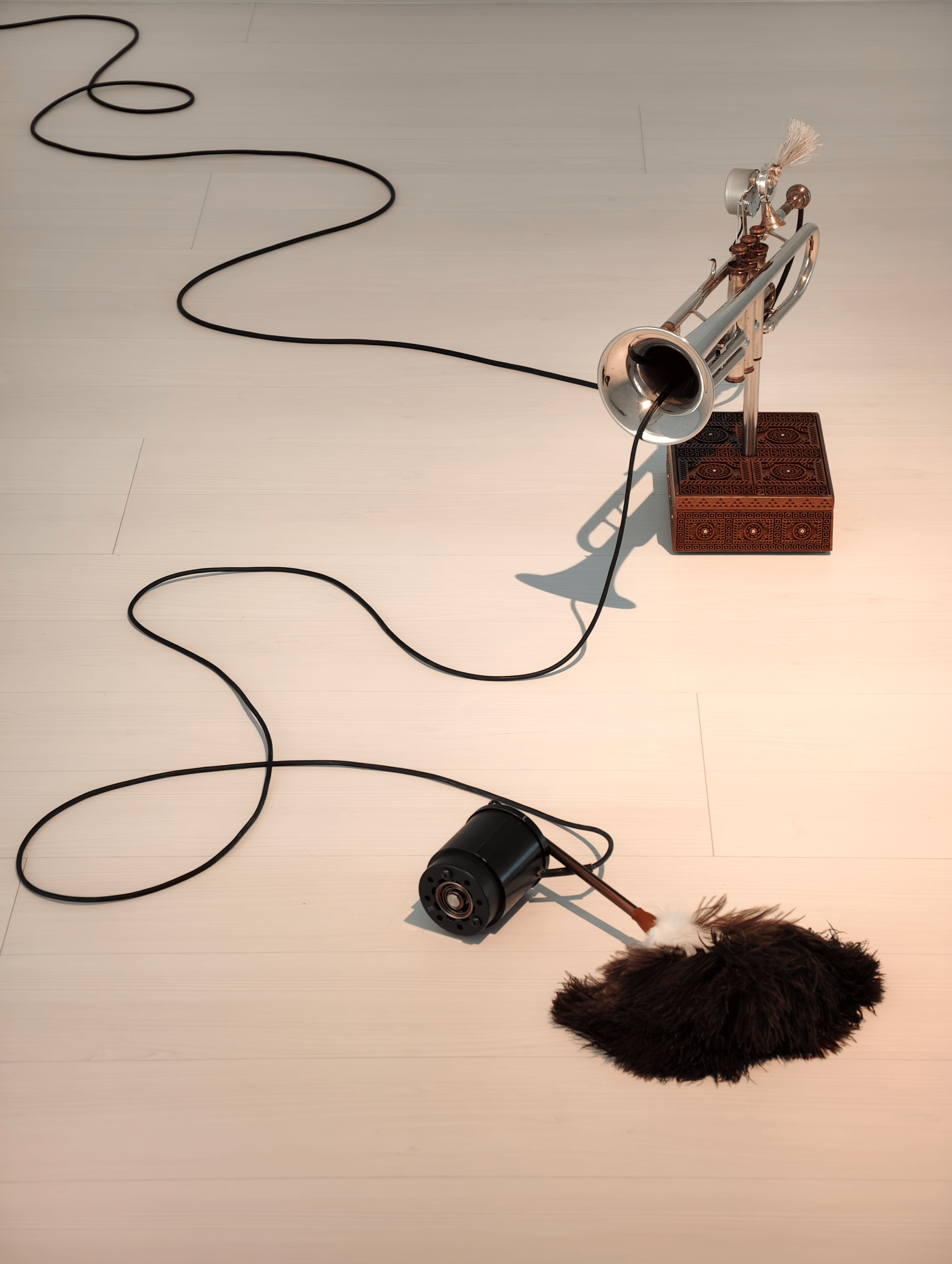
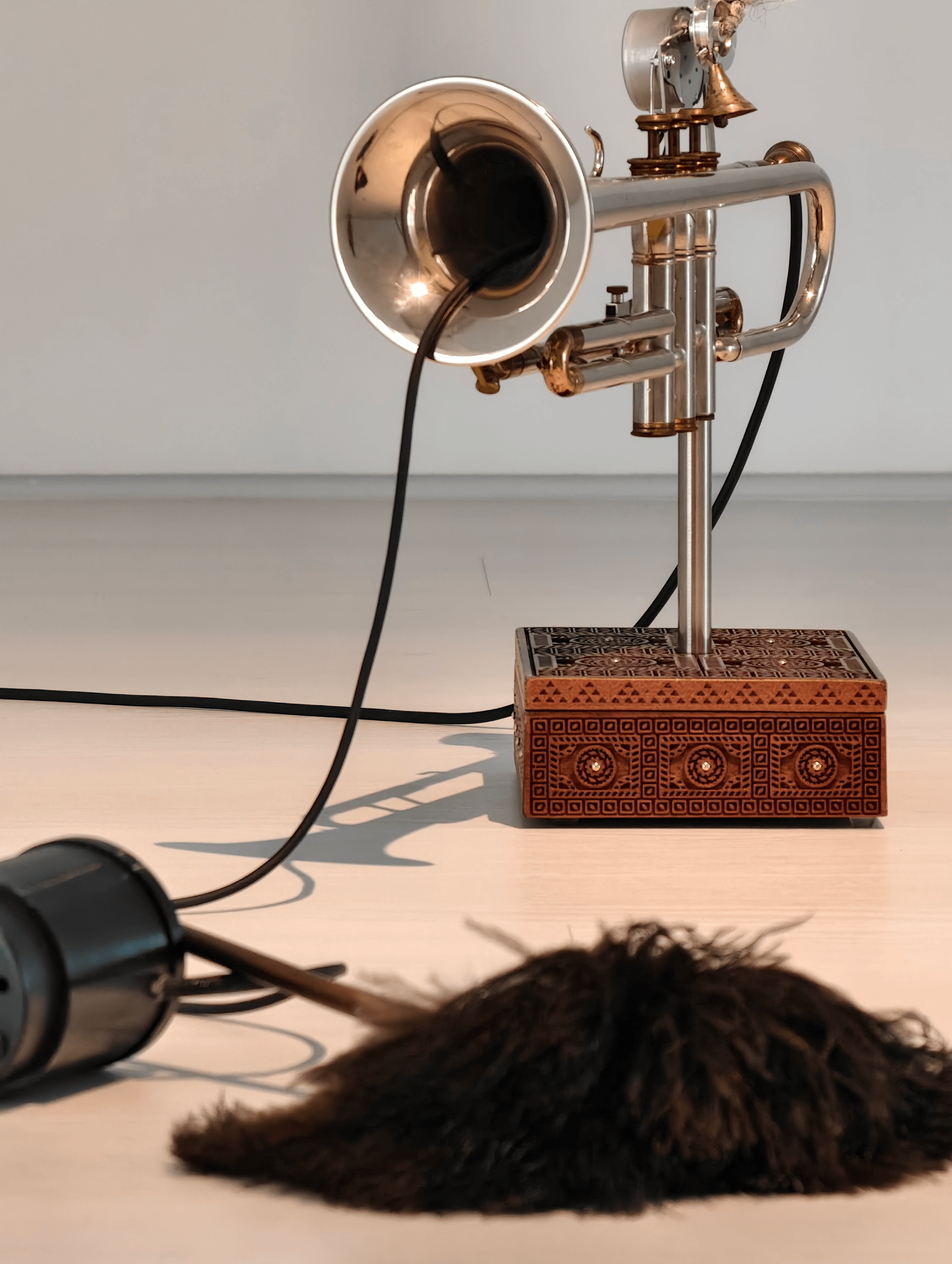
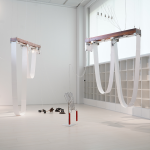
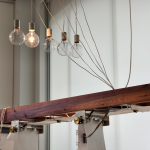
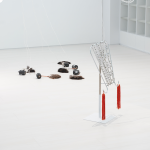
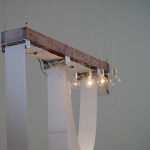
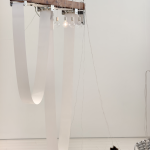
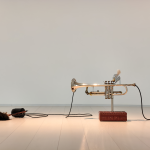
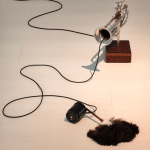
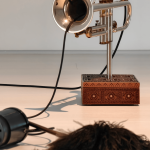
The exhibition unfolds from a simple story about a cactus. After surviving a prolonged drought and extreme water scarcity, the cactus died quietly following a spring rain. lt was not fragility that killed it, but a sudden change in the world to which it had adapted. Rain, usually associated with nourishment and renewal, became instead a form of “belated violence. ”
We often associate survival with resilience, and death with fragility, yet the boundary between the two is far less stable than it appears. What seems strong can still give way, what nourishes can also suffocate, and what sustains life can also undo it. Adaptation is never a fixed condition, but a provisional balance between a living thing and its surroundings. For a cactus, a shift in that balance can be a matter of life and death. To the world around it, however, its disappearance may pass almost unnoticed. Around us are many such presences: insect calls, plants growing untended in wastelands, dust suspended in the air, fleeting scents. They have always been there, but simply remain unnoticed until, for a moment, they enter our attention.
For Simone Weil, attention is distinct from an effort of will. She writes about transparency and opacity through the example of glass. When we look through it, we notice the dust on its surface or the landscape beyond, but never the glass itself. We see the opaque through the transparent. Things that are constantly around us can become “transparent” through familiarity. Attention, then, is not a matter of looking harder or trying to understand more urgently. Sometimes it requires us to draw back from what we are pursuing and remain open to what appears.
With sound and scent, this kind of attention takes on a different resonance, as they are less readily contained within a clearly defined object or fixed boundary than visual experience. They spread and permeate the space, reaching us before we can identify them, then gradually fading away. We can only encounter them as they occur. Sound and scent therefore become the exhibition’s primary means of expression. Held in a fragile balance, they overlap without overwhelming one another, allowing no single sense to dominate, each waiting to be noticed.
Yet noticing something does not necessarily mean understanding it. A plant’s bioelectrical signal can become sound, a forgotten history can resurface through what has been recorded, and a scent can evoke what is no longer present. These transformations may bring us closer, but they cannot fully bridge the distance between us and the things themselves. Their existence does not depend on our interpretation, nor is their meaning determined by our understanding. Perhaps what we ultimately need to accept is this distance that remains.